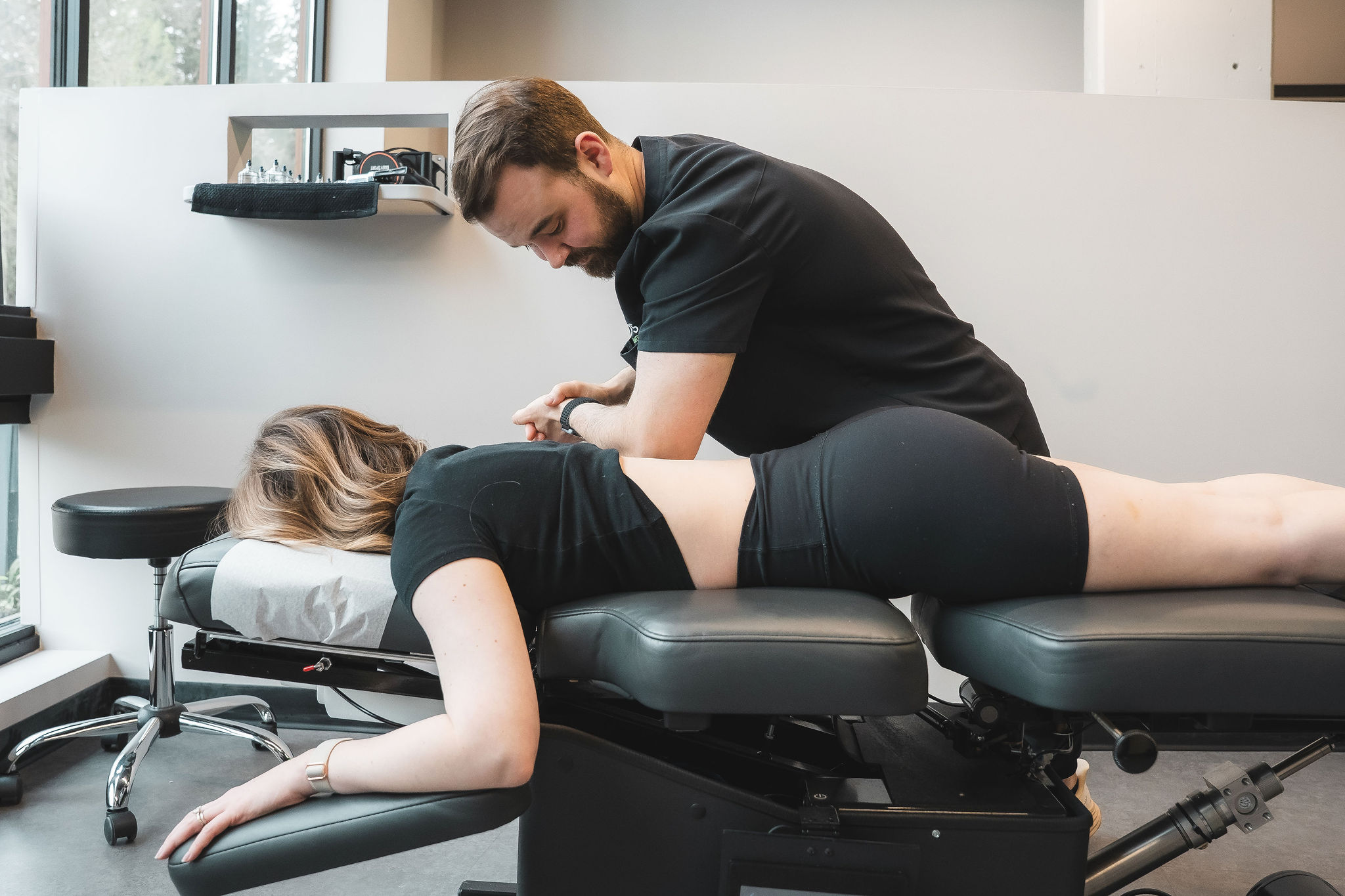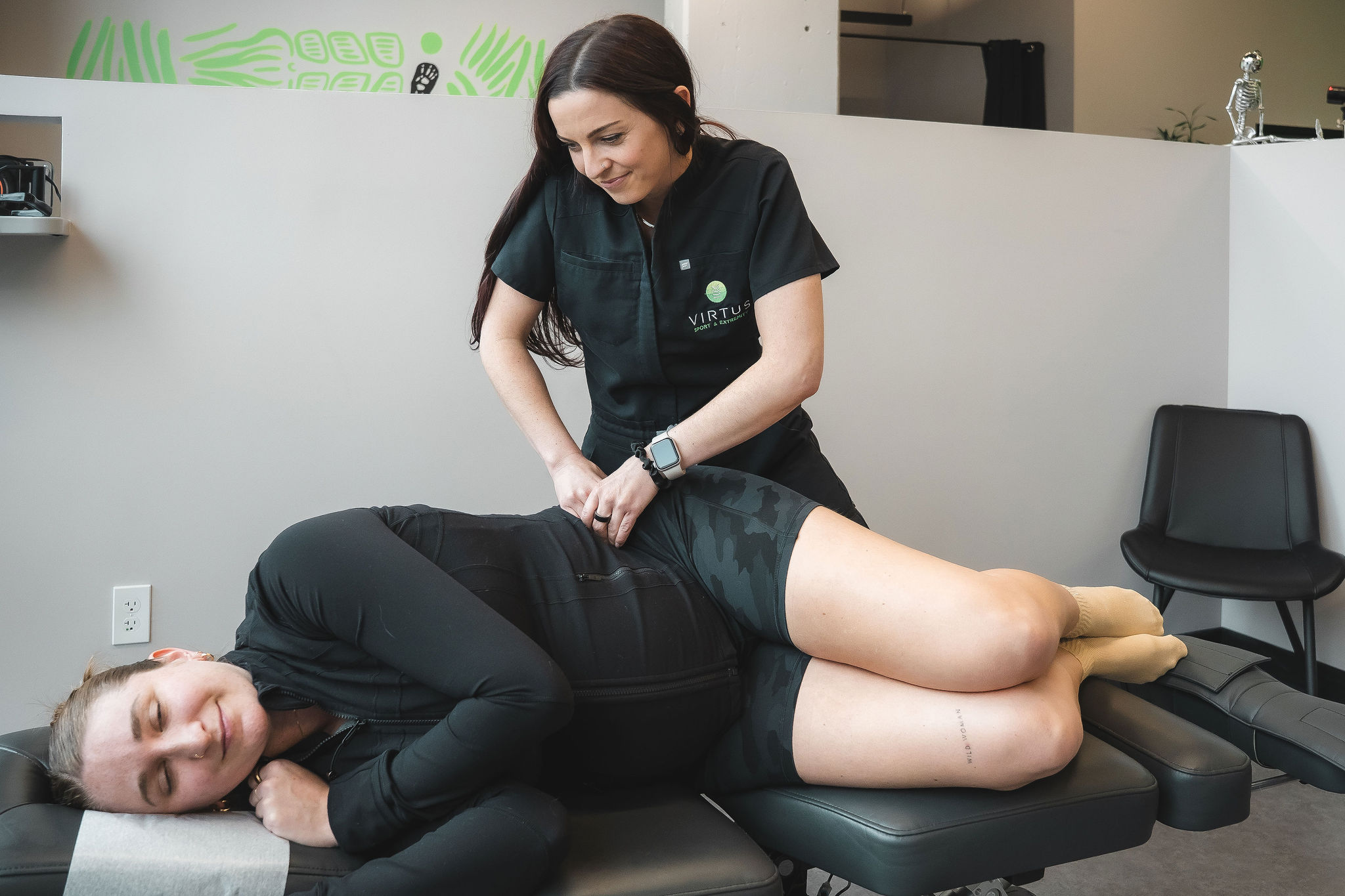
Dr. Molly Sparks performing manual therapy on a pregnant patient laying down on the table.

OPTIMIZE MOBILITY

MANUAL THERAPY

Manual therapy is a hands-on approach to treating musculoskeletal conditions by skillfully manipulating muscles and soft tissues. This comprehensive method targets the underlying causes of discomfort and dysfunction, facilitating faster recovery, improved flexibility, and enhanced overall well-being. Techniques such as myofascial release, fascial manipulation, instrument assisted, or cupping are employed to provide personalized and holistic care, alleviating pain and restoring strength and mobility

"You're the champion. We're here to get you back in the game, not keep you on the sidelines." - Dr. Molly Sparks
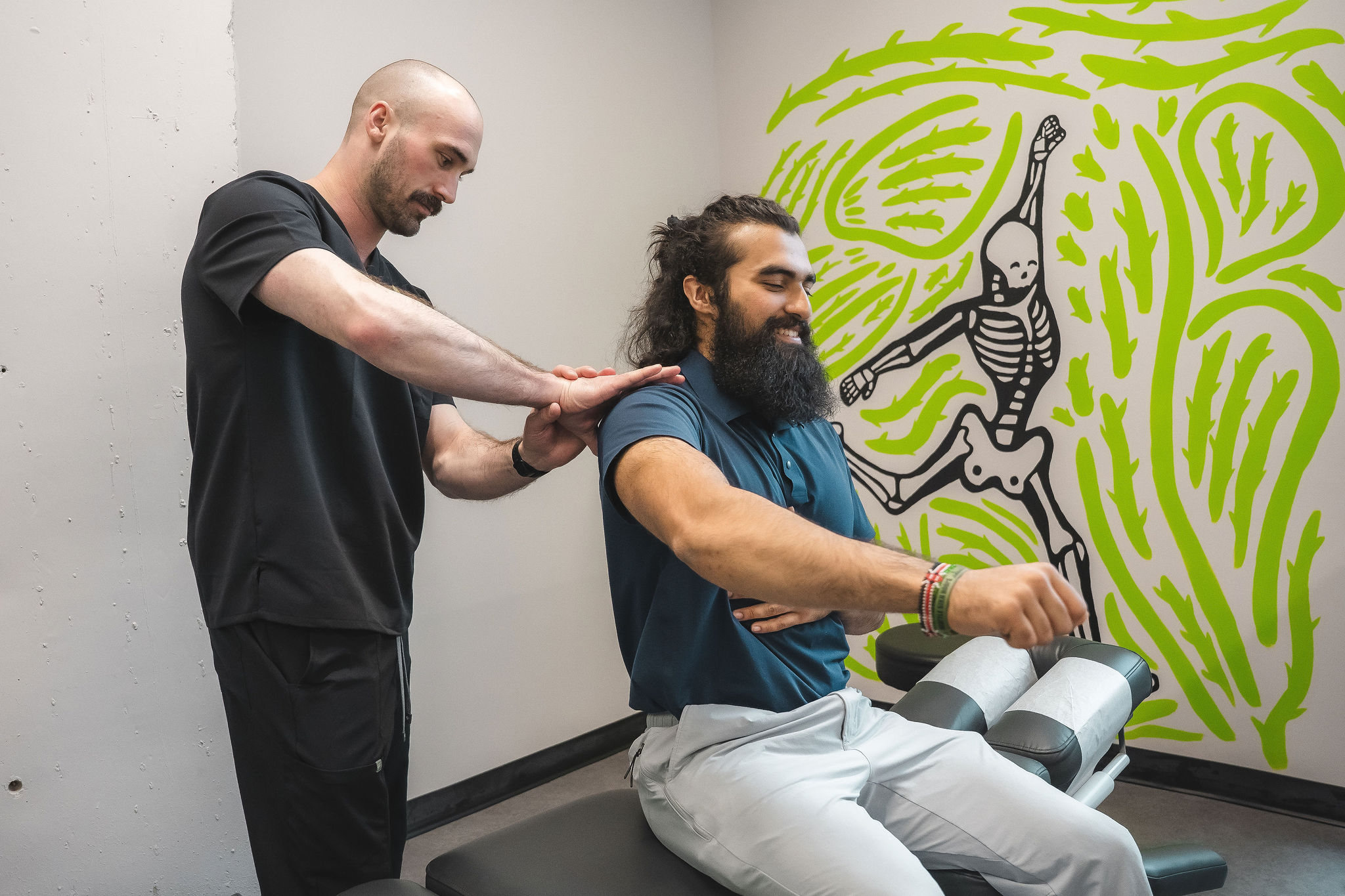
Dr. Marshall Just using the MRT method on a male patient sitting on the chiropractic table.

SOFT TISSUE STRETCHING

MYOFASCIAL RELEASE TECHNIQUE (MRT)

MRT is a manual therapy approach that focuses on identifying and treating soft tissue restrictions and muscle adhesions in the body. Skilled practitioners use their hands to apply specific pressure and stretching techniques to release tension and restore normal muscle function. This method aims to reduce pain, improve flexibility, and enhance overall muscle and joint health.
Dr. Marshall Just using the MRT method on a male patient sitting on the chiropractic table.
Dr. Tristan performing the FM method on a patient laying facing down on a table

FOCUSED TREATMENT

FASCIAL MANIPULATION (FM)
FM shifts the focus of therapy from treating symptoms to addressing root causes. Unlike conventional medicine, which often only examines symptomatic organs or isolated musculoskeletal areas, our approach emphasizes the balance of the entire system. We consider the interconnectedness of the musculoskeletal and visceral systems and correct imbalances to restore physiological equilibrium. By listening to patients and their body signals, we take a multi-causal approach to improve their quality of life. In many cases, just a few targeted sessions can resolve long-standing issues.
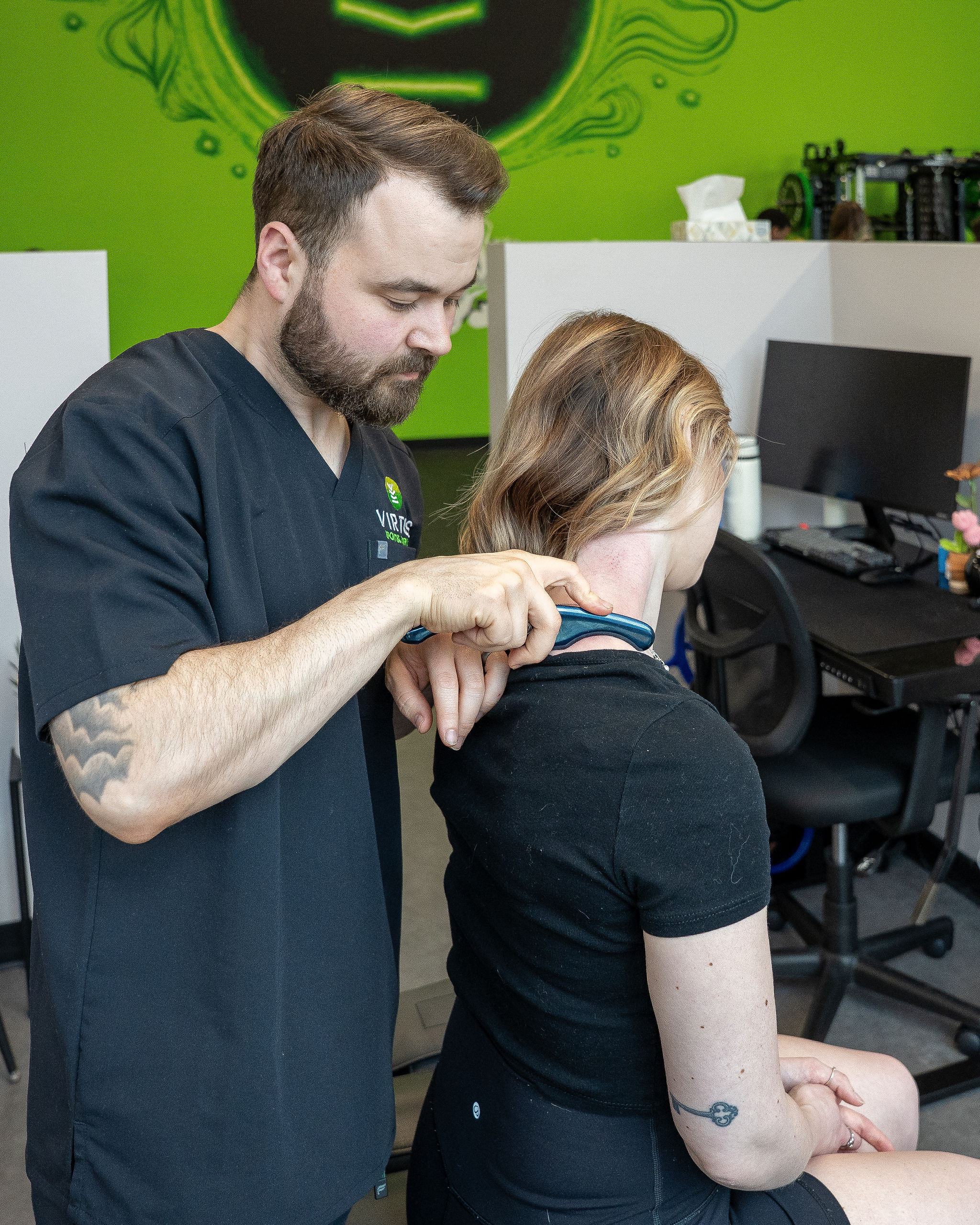
Dr. Tristan performing an intrsument assisted soft tissue mobilization on a patient's neck.

CIRCULATION AND HEALING

INSTRUMENT ASSISTED SOFT TISSUE MOBILIZATION (IASTM)

IASTM is a form of manual therapy that uses stainless steel tools to perform muscle mobilizations. Most soft tissue injuries go untreated until they become chronic problems. Over that period of time the body almost completes its own disorganized healing process.

Scar tissue and adhesions are formed which limit the body’s range of motion and often cause pain. With IASTM we are introducing controlled microtrauma to the affected soft tissue stimulating a healing local inflammatory response response. This process starts reabsorption of inappropriate scar tissue and facilitates a remodeling process of the tissues. The goal of this treatment is to organize cells in a direction to better promote movement, improve circulation, and decrease adhesions.
Dr. Tristan performing an intrsument assisted soft tissue mobilization on a patient's neck.
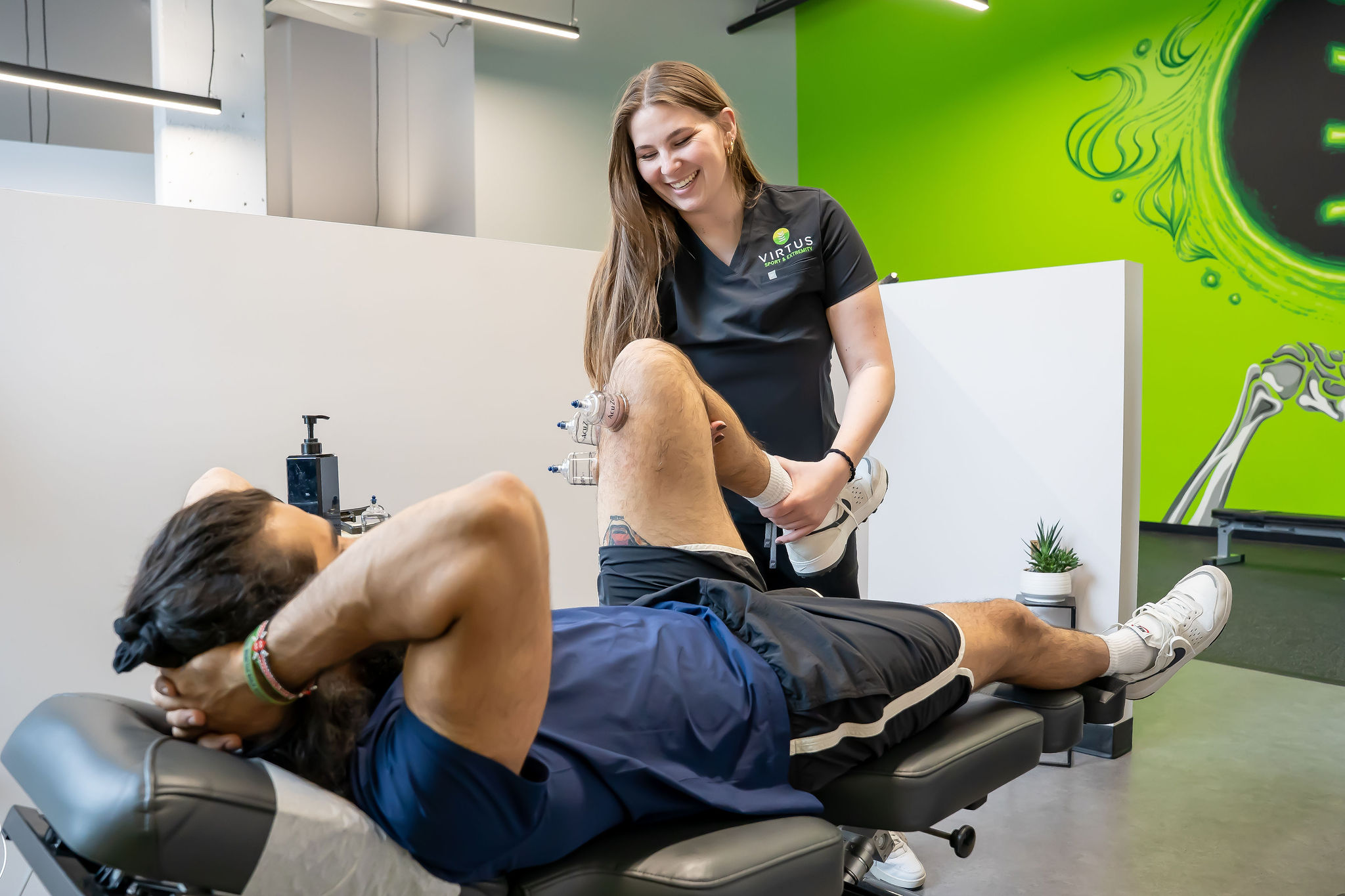
Dr. Wiles performing cupping on a patient's leg while bending his leg as he is laying down on a chiropractic table.

REDUCE PAIN

CUPPING

Cupping is a traditional therapeutic technique that involves placing special cups, typically made of silicone, plastic, or glass, on the skin’s surface. These cups create a vacuum effect, suctions the skin and underlying tissue, promoting increased blood flow and circulation. Cupping is often used to alleviate muscle tension, reduce pain, and improve overall relaxation, and it is commonly associated with traditional Chinese medicine practices.
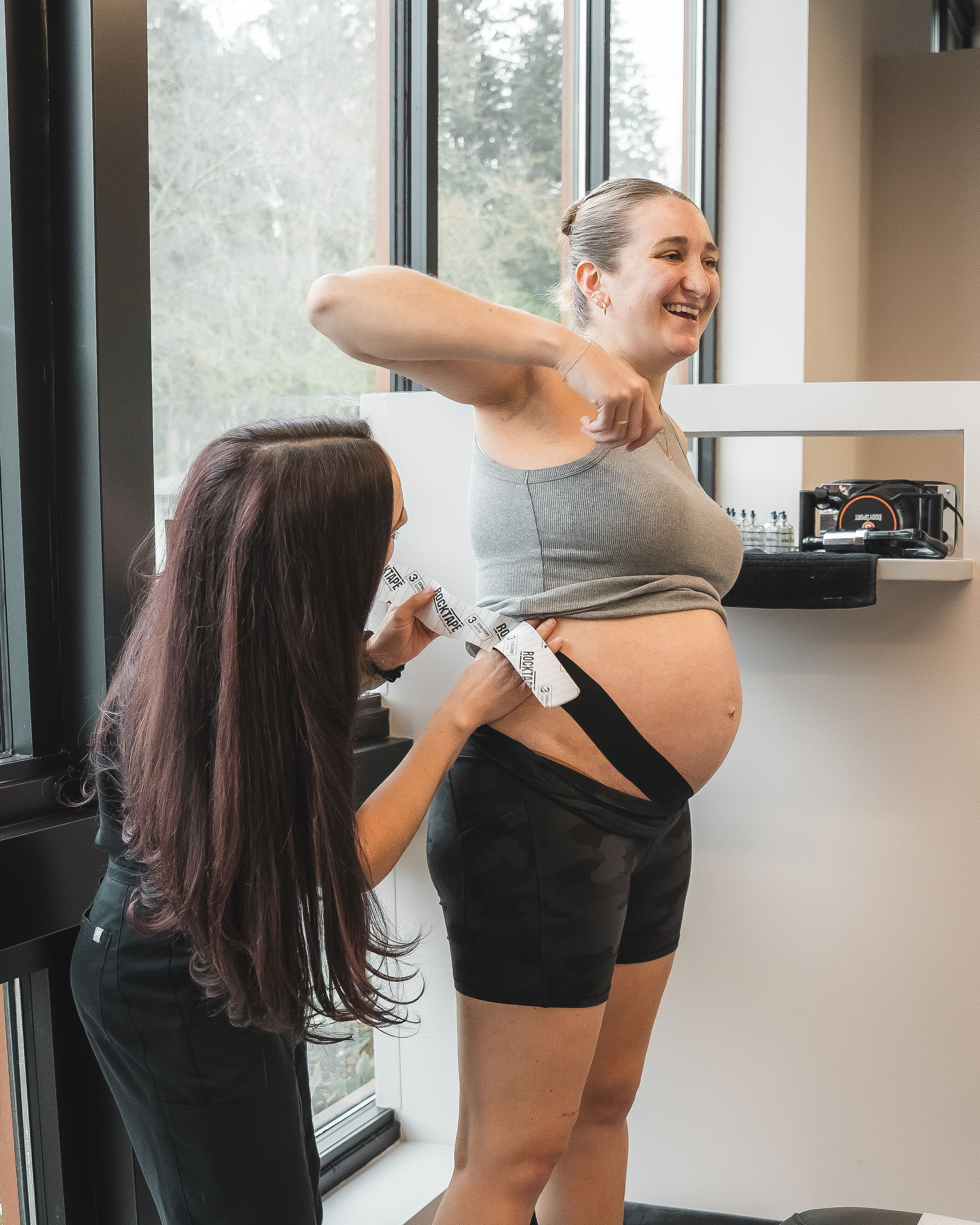
Dr. Molly Sparks placing kinesiology tape on a pregnant patient's belly for support.

FLEXIBILITY AND SUPPORT

KINESIOLOGY TAPING
Kinesiology taping is a therapeutic technique that involves applying elastic tape to specific areas of the body to support muscles and joints. The tape is designed to mimic the flexibility and elasticity of human skin, allowing for a full range of motion. It is often used to reduce pain, improve muscle function, and provide structural support for various injuries and conditions.
Dr. Molly Sparks placing kinesiology tape on a pregnant patient's belly for support.
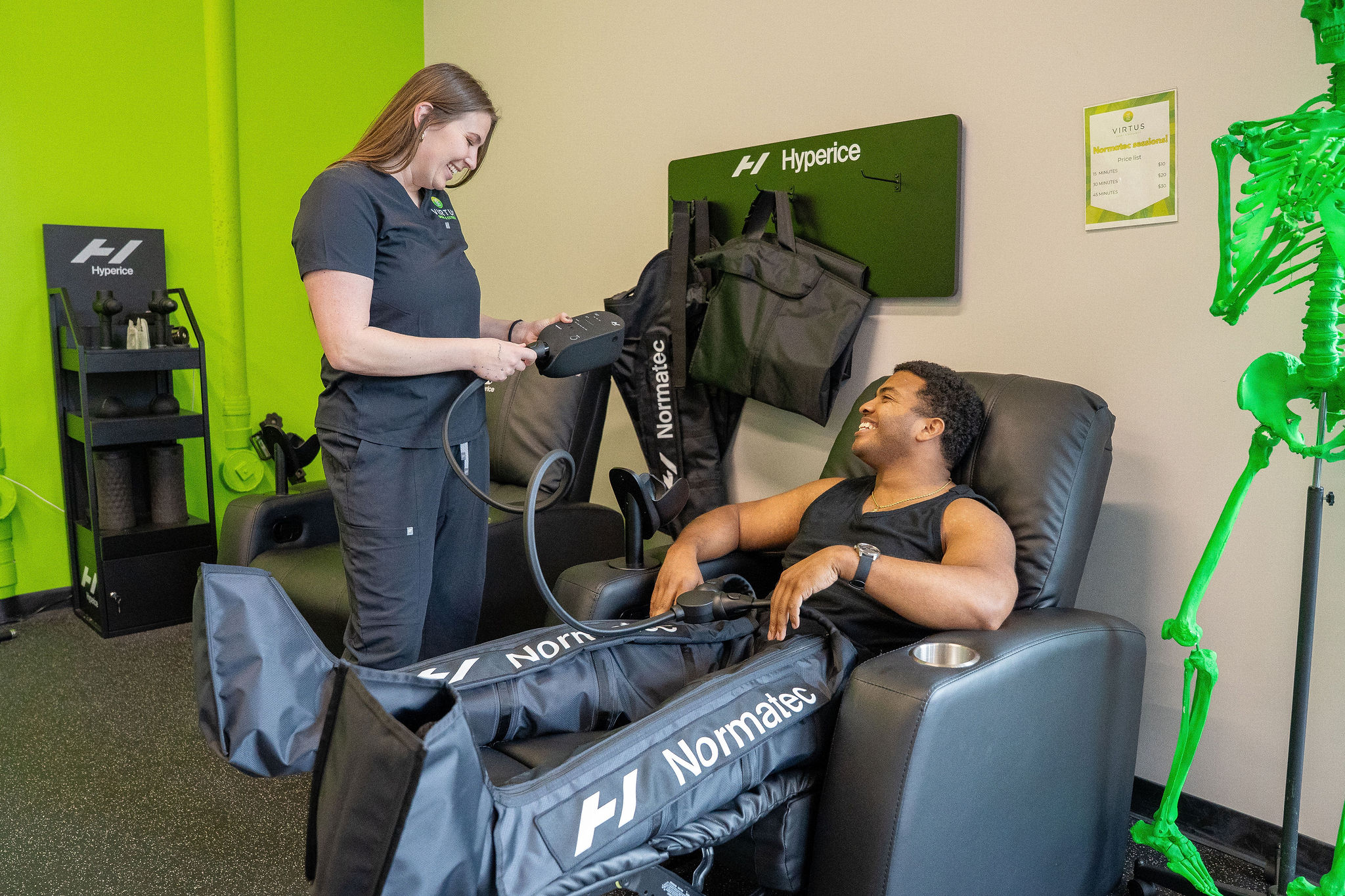
Dr. Rylie Wales adjusting a patient's normatic compression boots while he is sitting in an armchair.

LYMPHATIC RELIEF

NORMATEC COMPRESSION THERAPY

Compression boots are wearable medical devices designed to improve circulation and reduce muscle soreness and swelling in the legs. They work by applying intermittent pressure to the limbs, which helps stimulate blood flow and lymphatic drainage. These boots are commonly used by athletes for post-workout recovery and individuals with certain medical conditions, such as lymphedema or venous insufficiency, to enhance overall leg health and comfort.

F.A.Q.

Do you take Insurance?

We're proud to be preferred providers for all major insurance companies in Washington State, including many of the most widely used plans. For a full list of accepted insurance providers and details on payment options, please visit our Insurance and Payments page.

Do you take X-rays?

We do not take x-rays in the clinic, but if the provider suspects imaging is medically necessary, we will be sure to get you the correct referral in the quickest fashion.

What does cupping do?

Cups create a vacuum effect, suctions the skin and underlying tissue, promoting increased blood flow and circulation. Cupping is often used to alleviate muscle tension, reduce pain, and improve overall relaxation

How long are the appointments?

Our first new patient appointment is around 1- 1.5 hours and all of our follow up appointments are around 45 minutes - 1 hour.

Do I have to be adjusted?

We understand that adjustments can be scary. We strive to make our patient feel as comfortable as possible. Therefore if you do not want to be adjusted you do not have to. Through all of the other rehabilitation exercises, soft tissue and mobilization techniques, we can create a great result.

How much does it cost?

The cost of your visit depends on your specific insurance plan, as coverage and rates vary between providers. We'll bill your insurance company directly on your behalf. For more details on pricing, accepted plans, and payment options, please visit our Insurance & Payments page.